RFID card punching machine
In today’s smart card and RFID industry, manufacturers from other countries not only have to ‘make cards.’ They also need to find a way to maintain low cost and high productivity while ensuring that the RFID card punching machine works properly. We are a global supplier headquartered in Shenzhen, China. You can use this device […]
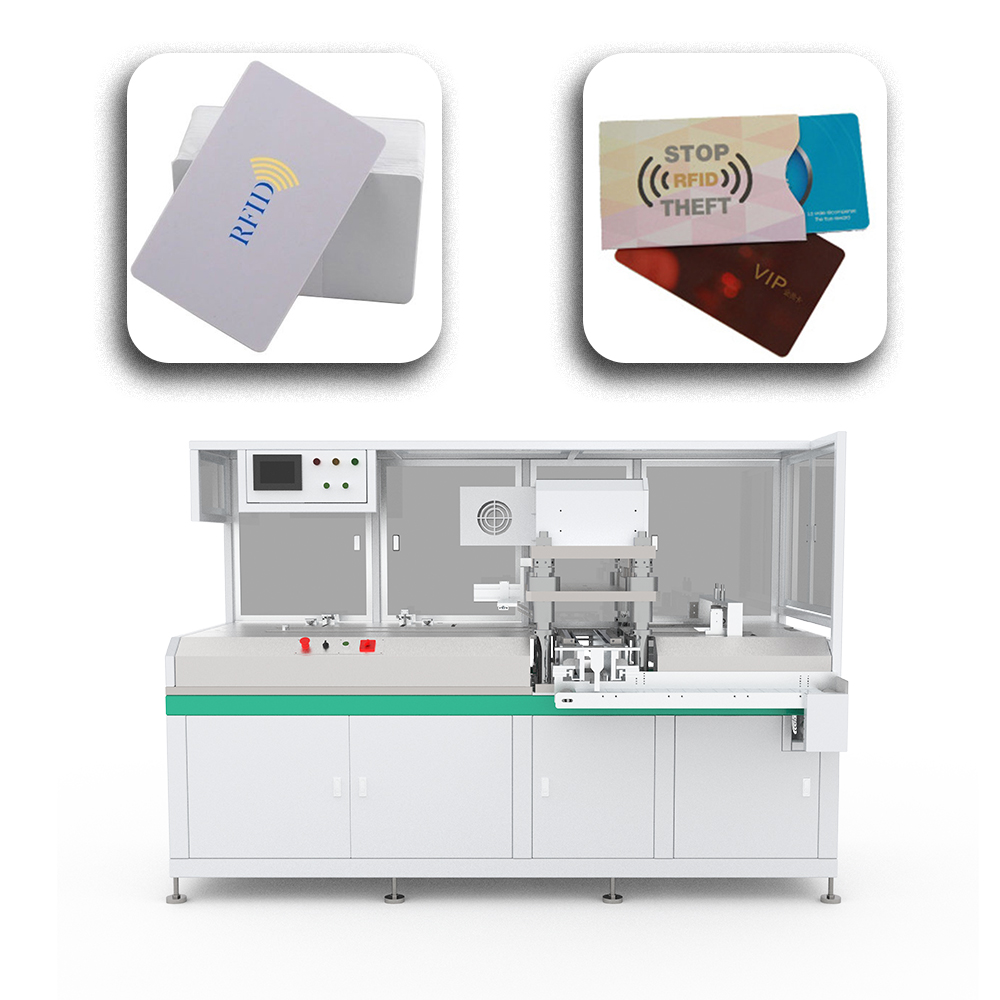
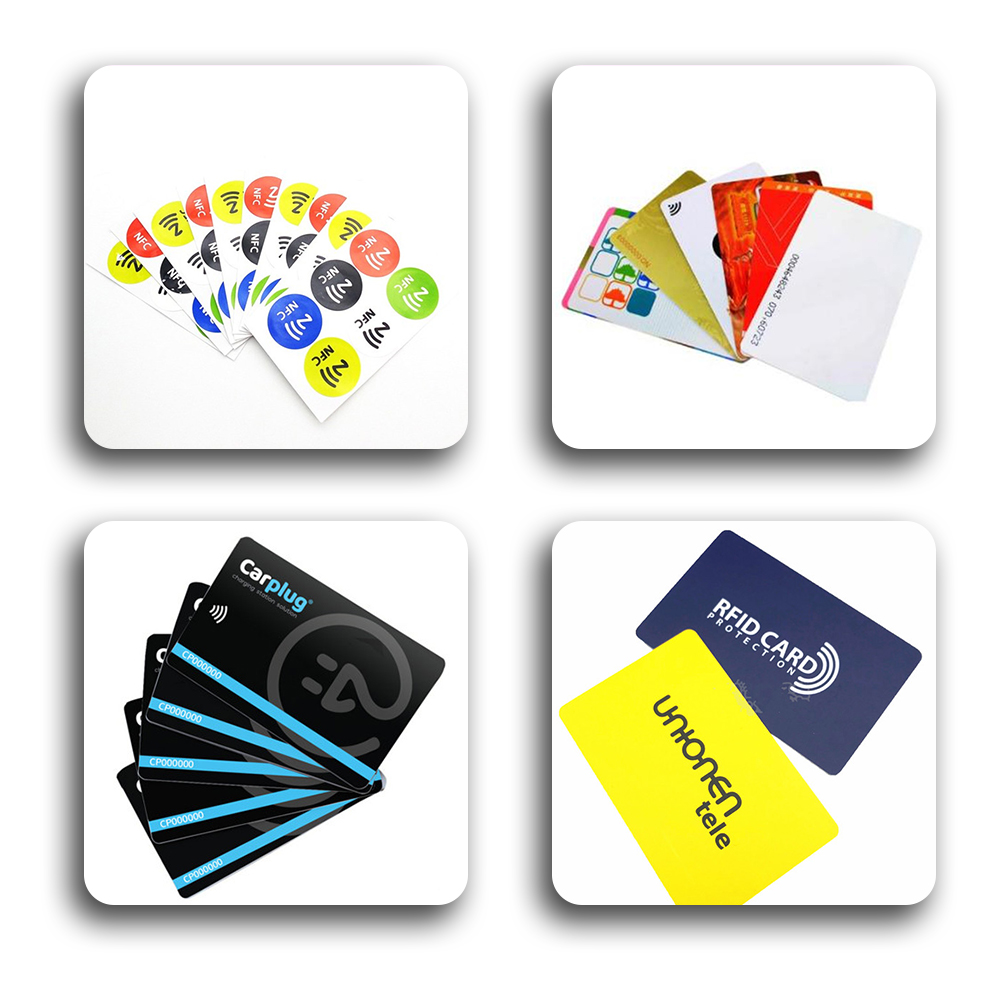
In today’s smart card and RFID industry, manufacturers from other countries not only have to ‘make cards.’ They also need to find a way to maintain low cost and high productivity while ensuring that the RFID card punching machine works properly. We are a global supplier headquartered in Shenzhen, China. You can use this device to create many different types of cards, such as credit cards, debit cards, bank cards, etc. ID card, social security card, access card, transportation card, and other types of ID cards; Commercial cards, such as game loyalty cards, membership cards, and membership cards; Entertainment cards, such as playing cards and tarot cards; Cultural derivatives such as anime collection cards, celebrity movies, blind box cards, etc.; SIM card holders, RFID tag inserts, paper labels, and even laboratory filter paper and micro books for punching holes. This article will provide a detailed explanation of the basic technical logic behind modern RFID card punching machines. It will discuss how they can help your factory set technological barriers in the fiercely competitive global market by using automated sorting and classification, customized collection solutions, and multiple uses.
1. Technical characteristics of RFID card punching machine
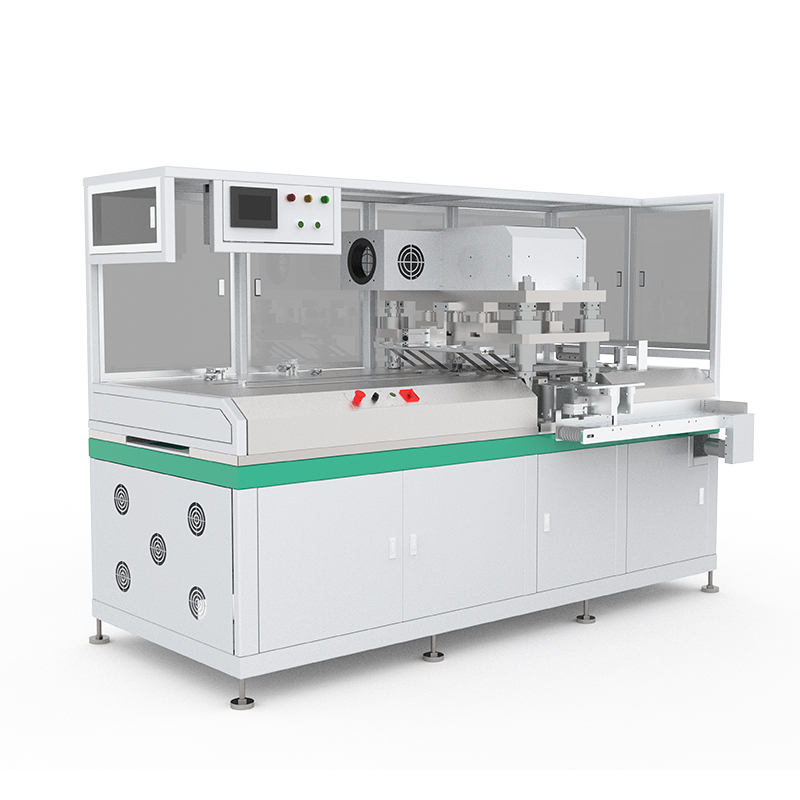
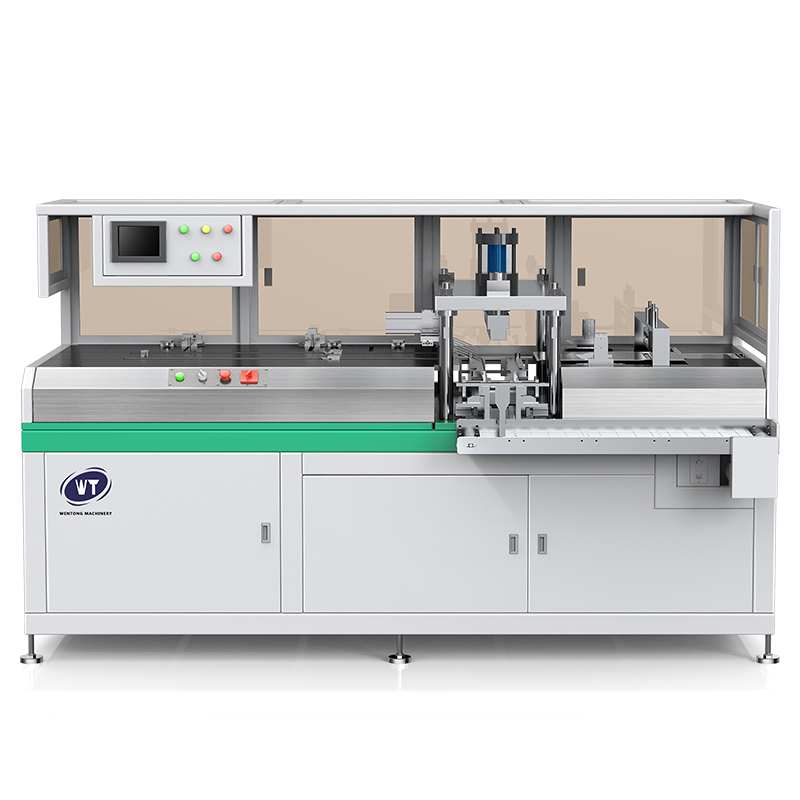
Modern RFID card punching machines are much more advanced than simply using machines to punch holes. They are now using high-precision CNC technology that combines optics, mechanics, and electronics. The most important thing is accurate stamping without burrs, which directly affects the yield rate. This is very important for high-frequency RFID cards, as burrs can damage coils or modules. Burrs have a direct impact on the feel and quality of paper products such as playing cards.
The automatic 7.5 kW servo system provides power to the machine. Servo systems control position faster and more accurately than conventional hydraulic or electric motors. They can even use encoders with a resolution of up to 0.001 mm to distinguish the position of objects. Thanks to PLC program control and high-power servo motors, this machine can automatically change the stamping speed and cutting torque according to different materials. For example, the system uses high-sensitivity positioning sensors and imported high-precision ball screw modules to ensure that when processing PVC or ABS materials with a thickness of 0.3 mm to 1.2 mm, even if there are slight changes in the external dimensions of the material, the stamping accuracy remains between ± 0.05 mm and ± 0.10 mm. This level of precision ensures that the edges of the card are smooth and free of burrs. This means that you no longer need to manually polish in the future. The unique cutting blade gap adjustment system of this device (adjustable to 0.01 mm) can perfectly cut fibers without leaving any burrs or dents. This complies with the standards of the International Game Card Association (PGA) regarding card edge quality.
Secondly, its advanced positioning logic indicates that technology is advancing. In most cases, devices use a two-step positioning method. To find the printed color code or card edge in the rectangular direction, it first uses a fiber optic sensor with a stepper system. Then, it uses a ball screw driven by a servo mechanism to find the precise position in the lateral direction. This dual closed-loop control logic keeps the position error of each card within a very small range, even for large layouts such as 3X8, 4X8, and 5X5. This ensures the accuracy of cutting. The device also has an intelligent error correction algorithm that can observe changes in cutting pressure during operation. If the edge of the mold is worn and the pressure increases, the system will automatically move to the dead center position. This will keep the cutting depth constant and prolong the lifespan of the mold.
Finally, the parts you have chosen make the equipment durable and long-lasting. The mold is made of imported mold steel, such as Cr12MoV and SKD11. Afterwards, they are heated and cooled in a vacuum, which makes them harder (HRC58-62), and their lifespan exceeds 2 million times before the blades need to be ground. It has a sturdy body (usually weighing around 1800 kilograms) and can handle vibrations well during high-speed operation. This keeps it stable in long-term, large-scale production. The main bearings and guide rails of equipment manufactured by German or Japanese brands have an average time between failures (MTBF) exceeding 5000 hours. This makes it much cheaper for people outside the United States to keep the equipment running.
2. Application scenarios of RFID card punching machine
This device can handle many different card production situations in the market, as it can be used for multiple purposes and machines. RFID card machines have proven that they can easily meet the needs of customers from different countries.
Financial and identity recognition scenarios, such as bank cards, ID cards, and transportation cards: For such high security requirements, the device must comply with the ISO 7810 CR-80 international standard, which is 85.6mm x 53.98mm. It accurately prints cards to keep their size constant. This makes it possible to package chips and magnetic strips in the future. Before or after punching, the machine can perform hot stamping on the surface of the card. This makes the cards more difficult to forge and appear more expensive. For example, hot stamping is commonly used to indicate the expiration date or card number on EMV bank cards. This device allows you to synchronize hot stamping and stamping online, which helps avoid secondary positioning errors and improve yield. There is a soft contact pressure plate on the device that can prevent the impact force from hitting the chip area and protect the internal circuit. This device is suitable for both contact and non-contact cards, which is why this situation occurs.
Cards used in cultural and entertainment environments, such as poker cards, game cards, and anime cards, typically have high standards for their perception. For example, the device can cut the mold by carefully changing the die-cutting pressure while maintaining the safety of the surface coating. This is very helpful for gold-edged playing cards or anime cards that use special UV technology. Poker cards should have smooth edges and rounded corners, all of the same size, so that they can be easily shuffled. This machine can simultaneously punch holes and round edges, so you don’t need to trim anymore. Anime collection cards usually require die-cutting, but they are not straight, such as hearts or circles. You don’t need to buy any special tools to do this; all you need to do is change the mold. Please remember that this device can do more than just cut cards; it can also cut books and filter paper. This really allows manufacturers to make special-sized filter paper (for laboratory use) or micro manuals, which makes them more useful and prevents equipment from becoming idle. For example, a European company that sells laboratory equipment uses these machines to simultaneously produce filter paper and reagent cards. This has increased the usage rate of the device from 65% to 92%.
RFID smart card scenarios (access cards, hotel room cards, logistics tags): When punching inlay with buried antennas, the worst thing is that the antenna breaks. By changing the bottom dead center pressure of the servo mechanism, we can make our machine cut smoothly and clearly, which is a problem in this field. This device has built-in functionality that allows you to view the maximum pressure of each punch in real-time. If the system detects a problem, such as a sudden increase in pressure due to improper antenna arrangement, it will automatically reject defective products and issue an alarm. This is to ensure that only qualified cards can pass through the collection process. You can connect the device to a high-speed laminating machine and create many RFID tags. This enables it to cut rolls at a speed of over 300 sheets per minute.
3. User experience
The most important factors affecting production efficiency are the work efficiency of equipment and the collaborative work efficiency of the production line. Whether users are working on a single machine or as part of a production line, our integrated customized solutions can provide a better user experience.
Automatic sorting and classification are the best methods to improve the backend. When making laminated cards, such as stamping 54 cards per board, you must manually sort the cards from different mold cavities using old-fashioned tools. This takes a long time and is prone to errors. Our machine now has a new method of reading cards, which tells us which mold cavity the card is in when it is punched. The plan is to place miniature sensors at the bottom of each cavity or use optical cameras to identify cavity numbers. Afterwards, the PLC program will automatically move the card from one chamber to another collection slot. This means that if there are slight differences in color or craftsmanship on the left and right sides of the mold due to the printing batch, the machine can automatically move the cards on each side to different trays without anyone manually checking and sorting them. This greatly reduces work costs. A US game card manufacturer stated that after adding this feature, they reduced sorting personnel by 80% and eliminated all customer complaints about mixed materials.
You can obtain customized products through two intelligent methods:
① Collect in order: This applies to cards with consecutive serial numbers that need to be packaged in order, such as tickets or recharge cards. The system will stack cards in the order they are cut and punched. When the stacking reaches a certain quantity (such as 50 sheets), the system can stop or request new trays. This ensures that the next packaging will not be messed up. The collection institution uses a servo-driven lifting platform that can automatically change the height of the falling cards according to their thickness so that the cards will not scatter.
② Collect by category: This applies to cards that require displaying the front and back or have different patterns, such as double-sided printed game cards. The PLC program attached to the device automatically moves different types of finished products to different collection tanks by reading preset parameters or scanning QR codes or barcodes on cards. There can be up to eight channels in the classified collection tank, and each channel can set its own stacking capacity.
The device also has a 15-inch touchscreen that can be used in both Chinese and English. The menu logic is clear, and the operator only needs a little training to start. The 15 sensors placed on the machine enable the system to monitor the feeding, cutting, and receiving processes in real-time. If there are heavy cards, shortages, or abnormal blockages, it will automatically sound an alarm and display the map of the problem. You can shorten the downtime to less than 30 seconds. You can also use this device to search for problems from a distance. Our technical team in Shenzhen can connect to the equipment PLC through the Internet to help customers in other countries solve problems and obtain immediate technical support.
4.Product parameters
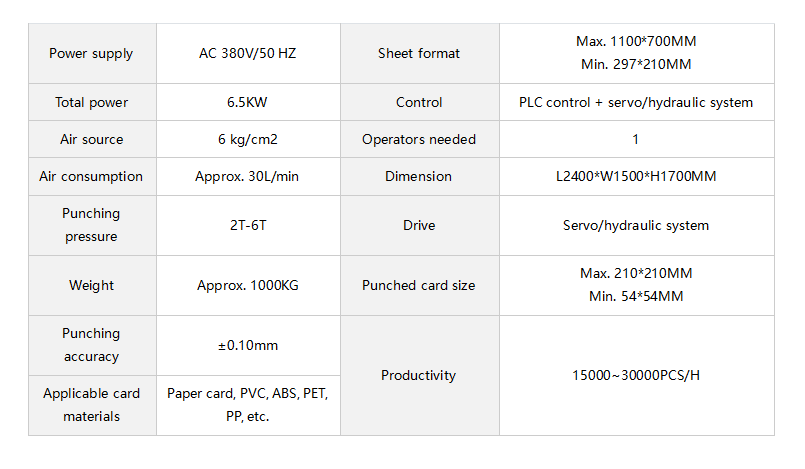
This is the main technical parameter table of the RFID card punching machine. It is used to ensure the selection of the right global customers. These numbers clearly indicate the working effect of the equipment and are also the standard settings for our Shenzhen factory to supply batches to markets outside of China:
Summary:
This RFID card punching machine from Shenzhen, China, is not just a punching machine; it is also an important component of the factory’s move towards intelligent production. It not only solves the basic problems of stamping speed and accuracy but also improves your post-processing packaging process by automatically sorting and classifying items and allowing you to choose the items to collect. Whether you are making high-end financial bank cards or creating visual effects for anime and game cards, its flexible design can help you enter a broader market and make you more competitive in the global smart card supply chain. We provide comprehensive services to ensure that equipment can be smoothly manufactured overseas. These include pre-sales samples, mold customization, installation, and after-sales commissioning. Call us now to get a unique solution tailored specifically for your product.
Related Products
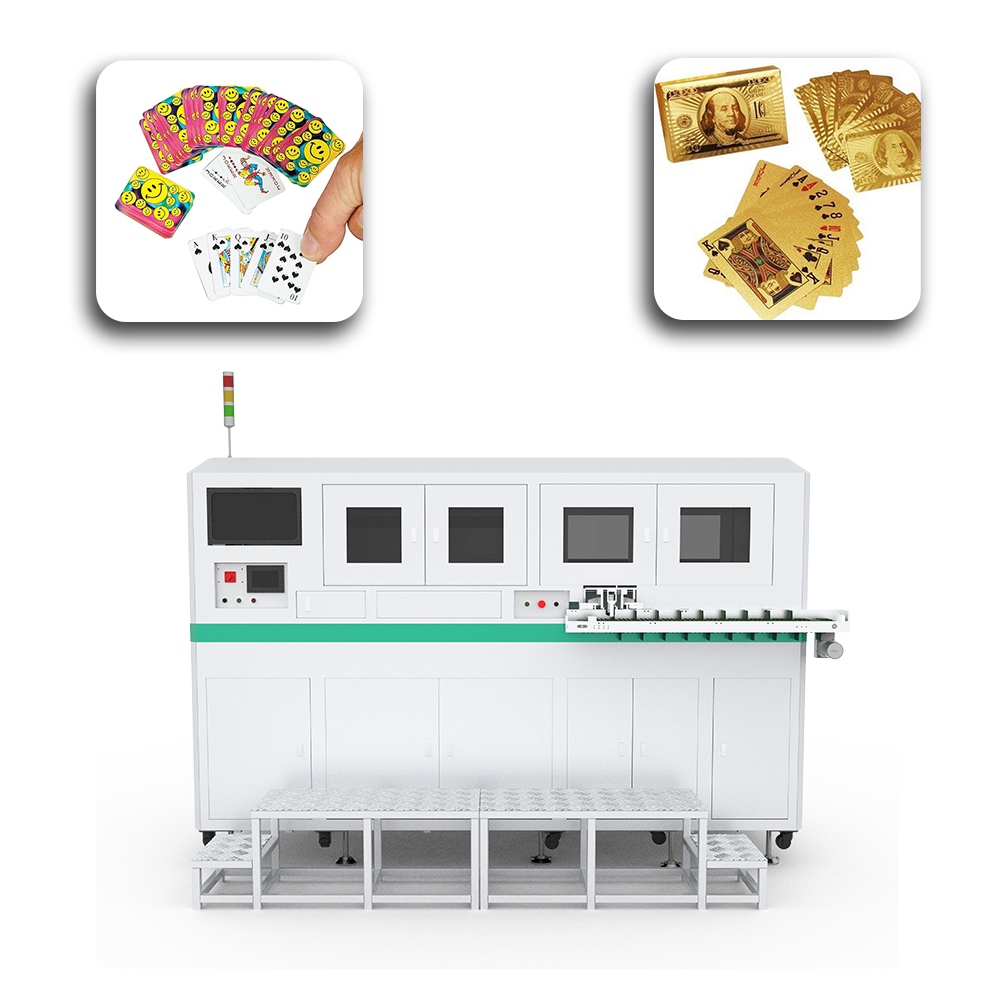
poker card punching machine
The competitiveness of smart cards or game cards in the market depends on two things: the accuracy of punching and the degree
RFID card punching machine
In today’s smart card and RFID industry, manufacturers from other countries not only have to ‘make cards.’
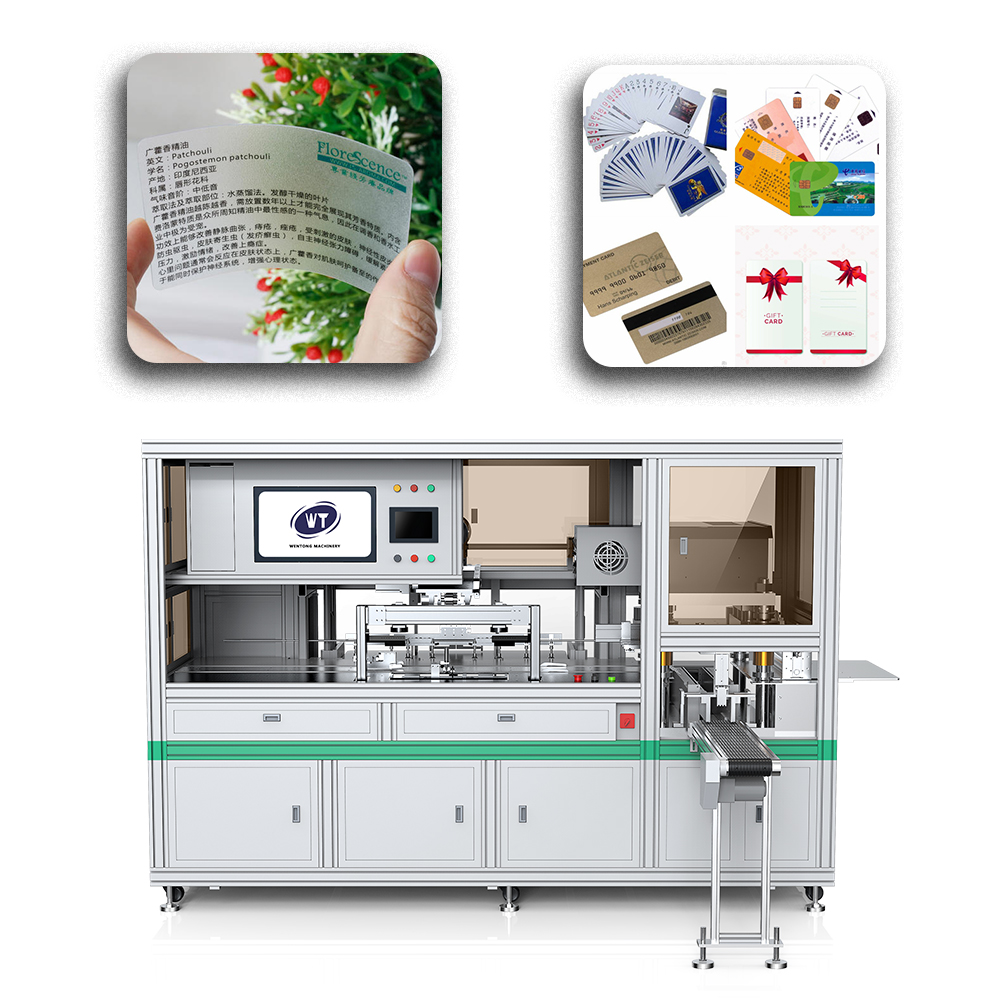
PVC card punching machine
The global smart card manufacturing industry has never had such a high demand for fast, accurate, and customizable smart card
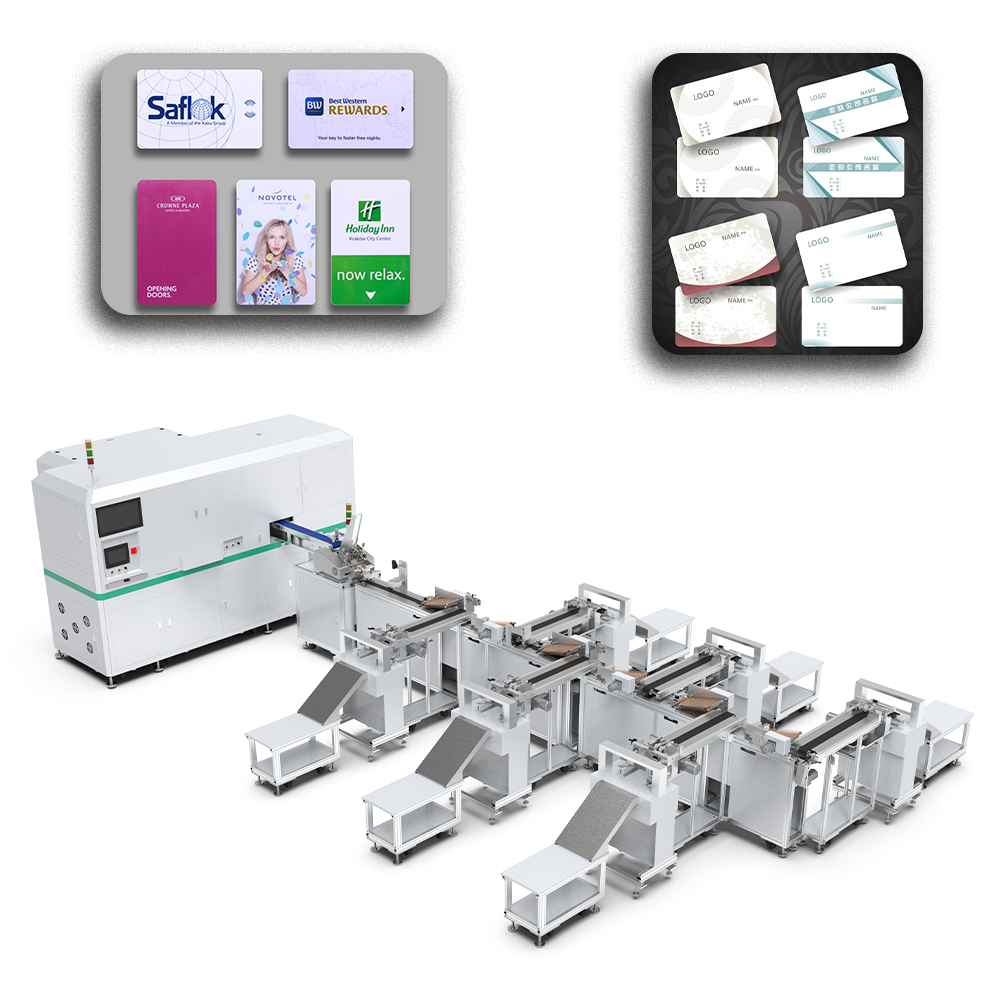
Fully automatic sorting and card punching machine
In the global business card printing industry, competition has surpassed the efficiency of just looking at things. The compan
Bank card punch card machine
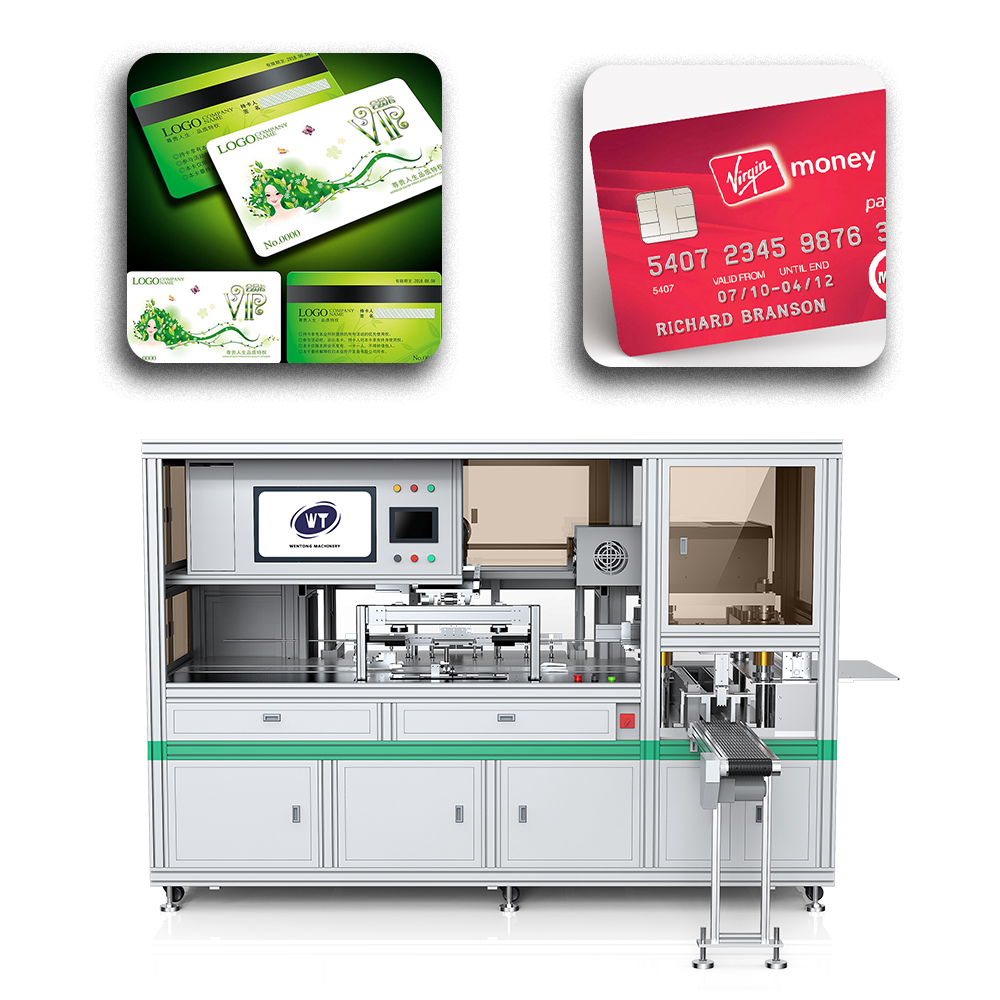
1. Function and characteristics of bank card punching machine The bank card punching machine is a high-end die-cutting tool t
Fully automatic sorting game card punching machine
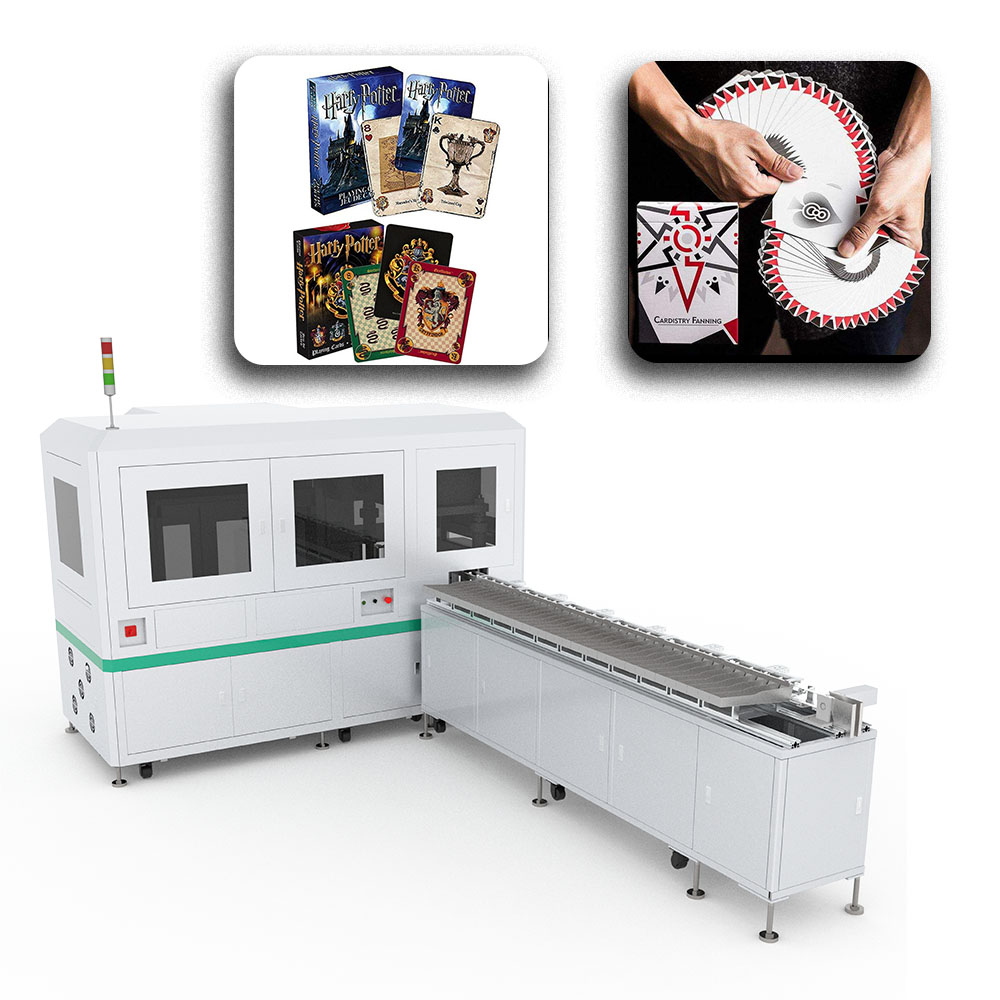
1. The main features and functions of the game card punching machine In the card manufacturing business, which includes game

PVC card die-cutting machine
The main functions and features of the PVC card die-cutting machine In the modern card product manufacturing industry, the ed

Star card die-cutting machine
1. Application field of star card die cutting machine The Star Card Die-Cutting Machine is a professional-grade automa

Transparent card die-cutting machine
Cards are more than just tools for identification and payment. They also represent brand reputation, security level and user

Cartoon card die-cutting machine
Cartoon card die-cutting machine As the global trading card game market continues to grow, the main competitive advantage of