Creative punching and cutting of poker card punching machine
blog 2026-03-18 00:06:45 177
In the field of post-press processing, poker card punching machines have surpassed the scope of “cutting large paper into small cards.” As card products around the world become more personalized and refined, especially in India, there is a huge demand for game cards, wedding invitations, religious cards, and small packaging boxes. The main competitive advantage of printing service providers is that their die-cutting equipment can complete multiple tasks and maintain accuracy. From a technical perspective, this article will explore different ways in which modern poker card punching machines are used for creative die-cutting. It will also discuss how these machines can assist printing companies in handling small-batch and multi-category orders.
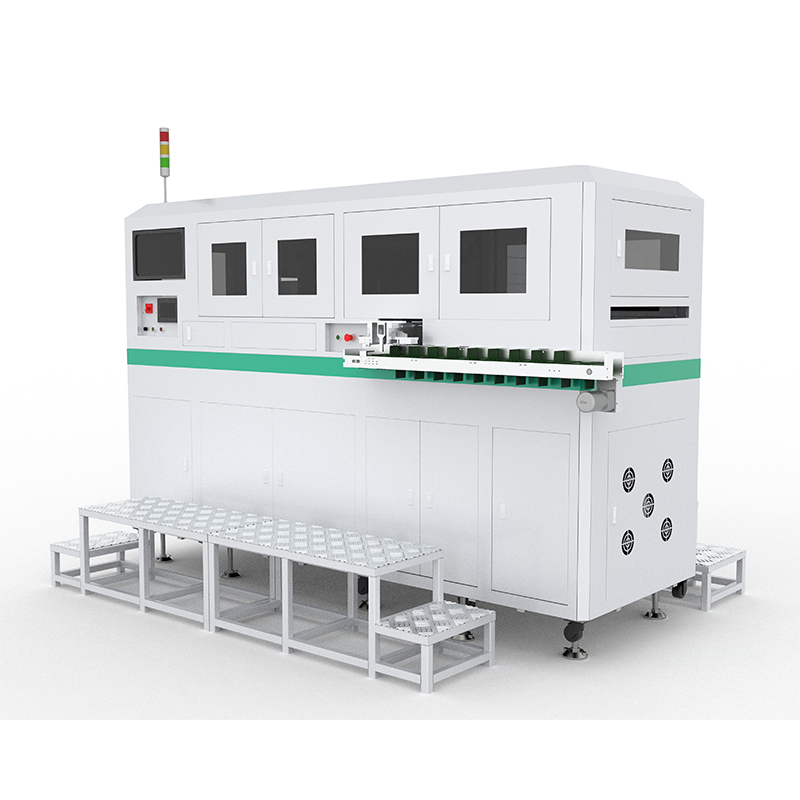
Poker card punching machines with different sizes for punching and cutting
Fixed layouts often make traditional die-cutting processes less flexible, while changing product specifications often means requiring long downtime for adjustments. But the poker card punching machine completely changed this with its gradually precise feeding technology. This machine allows operators to set different step sizes on the same printing layout, such as 305 * 460 mm film or paper. This means they can die-cut cards of different sizes in the same layout.
This is a good feature for the rapidly growing Indian mini game card market. This device has an intelligent layout visual correction and positioning system that can read positioning marks on paper, such as crosshairs or color codes. Even if the paper is slightly offset during transportation, the system will automatically adjust the coordinates before punching. This means that printing companies can use the same mother paper to die-cut orders with different requirements, such as standard bridge size, mini keychain card size, and small packaging boxes that need to be unfolded. A 7.5 kW high-power servo motor provides cutting power, ensuring clean and sharp cutting for both 0.5 mm thin paper and 1.2 mm hard film. There are no burrs on the edges of the finished product.
The precise control of step-by-step feeding is the most important part of this process. The machine has a closed-loop servo motor, as well as high-precision ball screws and linear guides. The feed step size can be kept within ± 0.1 mm. If the visual system sees that the printed product is not aligned, the control system will automatically find the compensation value and move the position before the next cutting cycle. Due to its ability to automatically repair errors, the yield of mixed die cutting can reach over 99.5%, far higher than the 85% level of traditional mechanical stopper positioning. The device also has built-in intelligent layout optimization algorithms that can automatically find the best layout solution based on the needs of the order. This fully utilizes the paper area and reduces waste. This feature can help businesses save on raw material costs and use over 20% more paper for common mixed orders in the Indian market, such as making playing cards, business cards, and religious cards.
Texture and cutting are completed in one step through embossing and punching.
When making high-end business cards, celebrity cards, or fancy wedding cards, the process of surface texture embossing and shape cutting is usually carried out separately. This not only takes longer but also causes more waste. The new mold technology enables modern poker punching machines to combine embossing and punching.
With the device’s large tonnage servo cutting function (7.5 kW power output) and customized “die-cutting and embossing” composite mold, you can press three-dimensional textures or patterns onto the surface of the card while stamping out the card shape. This process is easier to achieve because the finished product position of the equipment is very precise. The gradual feeding method and the fact that there are no nail holes or connection points mean that the pressure on the paper is always uniform and stable. This ensures that the depth of the embossed texture is always the same and the distance from the outer edge is always the same. This machine is suitable for both regular paper and special materials such as thin films and soft magnetic films. This means that printing companies can engage in more creative work, such as making magnetic stickers and soft PVC cards. They can also complete all the work, from making the structure to decorating the surface, in one paper feed.
When designing composite material molds, you need to carefully understand how the pressure and material will move. You need to set different embossing depths and die-cutting gaps on the mold for each material. The embossing depth of 350 g/m² white cardboard is usually between 0.3 and 0.5 mm. This makes the texture clear without damaging the paper fibers. When the temperature drops, it is necessary to change the mold gap and add a local heating device to prevent the 0.8 mm PVC film from breaking. Modern poker card punching machines have a servo system that can precisely control the punching speed and the time spent at the bottom dead center. They can also handle composite orders of multiple materials in the same batch, as there is a fine adjustment pad at the bottom of the mold. In real-world production environments, the use of composite technology has doubled the efficiency of producing high-end star cards. The scrap rate has decreased from 8% to less than 1.5%, and the finished product looks more three-dimensional, which makes it more valuable in the market.
Precise cutting of small keychains and suspension accessories
As Generation Z becomes a larger group of shoppers, new ways of making money are emerging, such as keychain cards, mobile phone tags, and wearable luggage tags. Because the products manufactured by poker punching machines are very small (sometimes less than 20 mm * 20 mm), they need to be able to do very precise work.
There are two main ways to demonstrate the advantages of the equipment used to process these small products. Firstly, there is the nail-free die-cutting technology. Traditional die-cutting leaves small connection points at the edges of the card, making it easier to discard. This applies to cards, but not to decorations that want to look perfect. Due to precise top block mechanisms or bullet designs, modern machines can immediately push finished products out of cutting molds after stamping without the need for connection points. This keeps the edge of the keychain card smooth and in good shape. The next step is to collect and classify finished products. It is difficult to classify mini cards by hand because there are too many and they are too small. The automatic material collection system of the equipment has two modes. A person collects cards in the order they are punched and cut, while maintaining the color order of the cards. Another method is to collect cards through multiple card slots and automatically classify cards with different patterns into different material boxes, preparing for the next step of the rope assembly process.
Another important part of precision engineering is the removal of micro products. Due to the small size of the card, the scrap frame may become very thin and break or become entangled in the equipment. Modern poker card punching machines have a separate waste winding device and a system for blowing away waste. This enables it to automatically peel and roll the waste rack, preventing the machine from stopping when the waste gets stuck. The stepper feeding system on the machine also has a vacuum suction belt, which can prevent small paper from moving around when the machine is moving rapidly. In India, personalized mini game cards, such as keychains with cricket themes, are very popular. They can change the order within 15 minutes by modifying the mold and receiving material settings. This makes it easy to go from testing to making many things. According to statistics, since the device was put into use, the average production cycle of mini cards has been shortened by 40%. In addition, due to the absence of any manual sorting, the on-time delivery rate of orders has increased to over 98%.
Help creative people understand what mechanical stamping cannot cut.
In order for designers and post-press engineers to unleash their creativity, they need to communicate with each other. As equipment suppliers, we need to ensure that creative people understand this: mechanical stamping is robust, but it follows the laws of physics. Designers still need to consider the tensile coefficient of materials and the layout logic of cutting molds when making non-straight cards or boxes, even though modern poker card punching machines can perform “visual correction” and “gradual feeding.”
For example, lightweight wooden molds are very suitable for rapid testing of designs with very sharp corners or narrow bridge positions. Our machine only takes 2 to 3 minutes to replace the mold, so it is easy for us to make samples for customers. Before starting large-scale production, creative personnel can quickly check whether the design is meaningful by using a small amount of paper. If there is a tear in a certain area after stamping, the designer can immediately change the fillet curvature. This fast feedback loop can help creative teams understand how paper fibers, die-cutting pressure, and graphics work together. This allows them to create designs that look good and can be mass-produced. This device can switch and adjust orders within 15 minutes, which means designers don’t have to worry about too frequent sampling taking up too much production time. This really allows creativity and production to work together seamlessly.
Some common design errors and improvement suggestions are: do not make protrusions smaller than 1 mm on the edge of the card, as these structures are more prone to breakage during die-cutting; Leave at least 2 mm of flat space around the embossed area to prevent embossing from altering the cutting edge; And ensure that the die-cutting pressure does not touch sensitive areas on smart cards with magnetic strips or chips. Our technical support personnel will demonstrate to the designer how to perform die-cutting. They will also regularly hold online seminars to discuss how to use different materials, such as biodegradable films and synthetic paper. This collaborative approach helps designers push their limits and make the poker machine look good and work well. Our sampling service is used by over 200 design companies from other countries. It has reduced the average production time of new products by 30%.
Conclusion
In short, modern poker machines are now intelligent processing terminals that use precise machines, visual algorithms, and modifiable processes. We have manufactured a new generation of servo-driven die-cutting machines for the printing markets in India and around the world. We manufacture equipment in Shenzhen, China. With a powerful 7.5 kW output, an image correction system, and seamless die-cutting technology, we have taken card production to a whole new level.
When the device is working normally, it can produce 6000 to 20000 sheets of paper per hour. The quantity of paper depends on the layout of the cards. More importantly, the step-by-step feeding and automatic classification collection system work together, transforming what used to require three people to do into one person on duty. This saves over 60% of labor costs. When you need to replace it, the wooden mold can be disassembled and reassembled within 2-3 minutes. This makes it more profitable to have short moving parts. Adding “short, flat, and fast” poker card punching machines to printing companies that already produce cards, smart cards, business cards, game cards, and small packaging boxes is not only an upgrade to their production tools but also an intelligent way to prepare for more personalized orders in the future.
People from all over the world have reported that the device is running well in printing clusters in Delhi, Mumbai, and other parts of India. Customers have seen real benefits, such as a 25% increase in profits for small batch orders and a 40% reduction in sample costs. It consumes about 35% less energy than traditional clutch presses because it uses servo direct drive technology. The noise level should be kept below 75 decibels, which is required by environmental standards in Europe and the United States. We are committed to promoting this mature end-to-end product packaging solution around the world. In a fiercely competitive market, this will help our customers secure more high-value orders with faster delivery times and better product quality. We will continue to invest in research and development to study how artificial intelligence can help with die-cutting and manufacture smarter and more reliable printing equipment for businesses around the world.