Typical Fault Handling Manual and After Sales Maintenance Guide for Card Punching Machine
blog 2026-08-03 01:03:09 184
In the production of large-scale game cards, smart cards and special filter paper, the stability of the card punching machine directly affects the output and delivery cycle of the production line. In the long-term high speed operation of the industrial punching equipment, it is inevitable to face with punching burrs, positioning deviation, material jamming, fluctuation of hydraulic or pneumatic system and other fault.
The article summarizes the diagnostic ideas and solutions for common faults in card punching machines and provides a standardized preventive maintenance process to help printing and processing companies reduce equipment downtime and extend the service life of equipment.
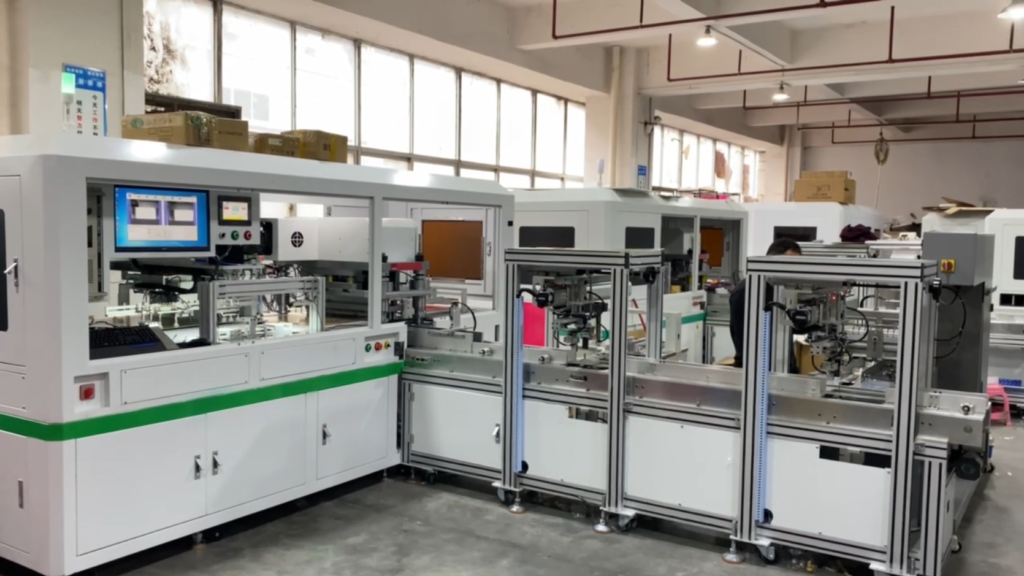
Quick Reference Guide for Rapid Diagnosis
If your card punching machine has any abnormalities during the production process, you can quickly find the cause of the fault and take countermeasures according to the following table:
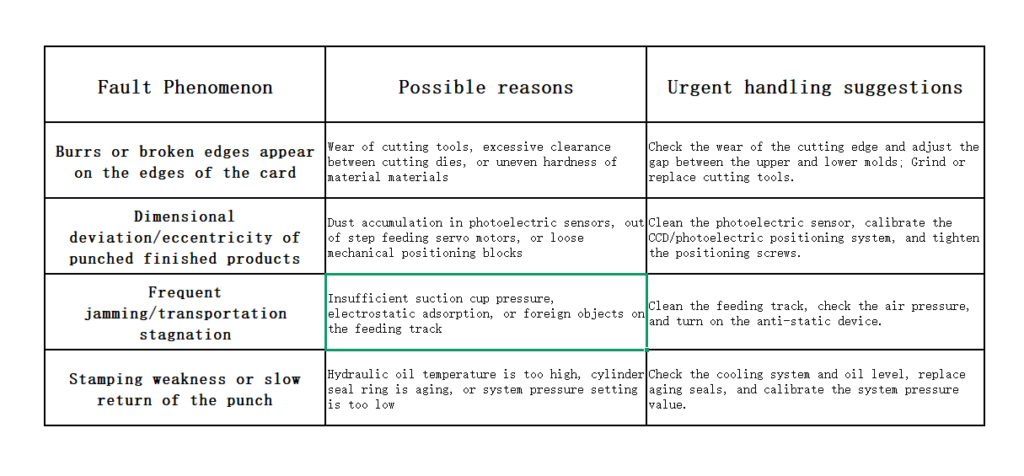
Tip: In the production of high-precision smart cards and board game cards, the accuracy of the equipment is continuously decreasing due to mechanical aging. It is suggested to use an industrial high-precision automatic card-punching machine with automatic visual alignment function to fundamentally reduce the cost of manual calibration.
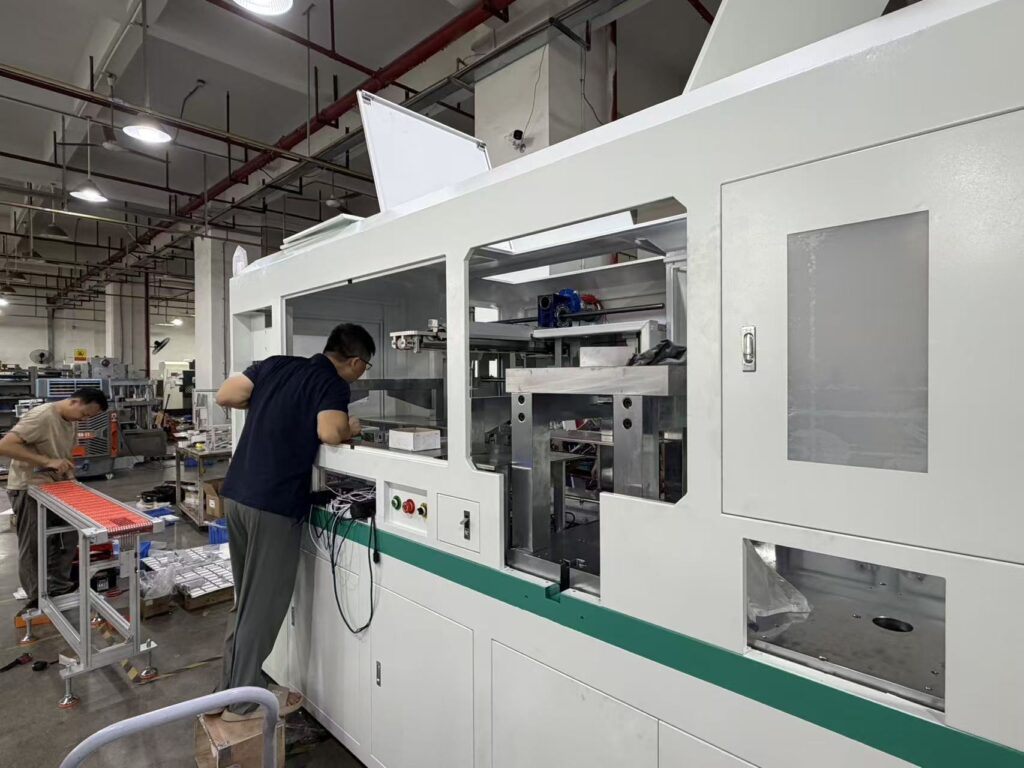
Basic fault diagnosis and step by step troubleshooting procedures of card punching machines
1. Dimensional deviation, edge burring caused by punching and cutting
The core index of the punching machine performance is the cutting quality . Burrs and dimensional deviations are usually caused by abnormal conditions in the mold or positioning systems.
- Tool wear and adjustment of clearance When you stamp hundreds of thousands of times the punching tools are bound to wear out. If the card cross-section is uneven or burrs are present, use a magnifying glass to check the blade for small notches. If the cutting edge is fine, check the assembly clearance between upper and lower molds. If the gap is too large it will tend to “pull apart” rather than “cut” and this will cause burrs. The choice of material and the extension of the service life of punching and cutting tools may be related to the selection and maintenance of some tools.
- Optoelectronic and visual positioning calibration : The modern high precision card punching machine often adopts photoelectric or CCD visual positioning If the surface of the sensor lens is dirty with paper scraps or dust, the recognition position will change. Clean the lens with a dust-free cloth and anhydrous ethanol. Reset the reference point mark (marking point) on the control panel.
2. Material jamming, poor feeding, abnormality of photoelectric positioning
The jamming in the feeding process continuously will influence the production efficiency and damage the mold.
Investigation of static interference: Plastic cards (e.g. PVC and PET) and paper with partial coating are easy to generate static electricity under high-speed friction, causing the cards to be absorbed or adhered to each other on the feeding track. Check that the equipment is grounded correctly and that the ion fan or electrostatic discharge rod is functioning correctly.
Air circuit and mechanical transmission inspection: Check whether the vacuum degree of the sucker is up to the standard (generally between -0.06 MPa and -0.08 MPa). If the suction cup doesn’t seem to be holding well, check that the vacuum generator or air tube isn’t cracked or leaking. At the same time check the tension of the servo belt so that the loose belt does not lead to inaccurate feeding step distance.
3. Uneven pressure and surface scratches on the card
In high-end printing processing, any scratch or depression on the surface of the cards is a fatal defect.
- Cleaning the conveyor roller and press plate Check the surface of the press block and the rubber conveyor roller for hard foreign objects, dry glue or metal debris. Clean the roller body regularly with a special rubber cleaner.
- Material adaptation, pressure control Different materials (PVC smart cards, special filter paper, etc.) have quite different elastic modulus. The pressure of pressing is too high, will leave indentation on the surface of the soft card; too low, will cause the material to be displaced during punching and cutting. The punching parameters for different materials should be set according to the punching accuracy standards for smart cards and game cards.
4. Hydraulic/pneumatic system pressure is too low and abnormal mechanism noise
- Hydraulic system maintenance Check the hydraulic oil level, whether in the normal range of oil gauge; check the oil quality, whether turned black or emulsified. Overheating of the hydraulic oil (> 60 °C) results in the viscosity being reduced and pressure not being built up. Make sure the cooling fan or water-cooling cycle.
- Mechanical lubrication check: The equipment guide rail, slider and crankshaft connecting rod mechanism are prone to dry friction noise and accelerated wear without lubrication. The lithium-based grease of this type should be added in strict accordance with the lubrication table.
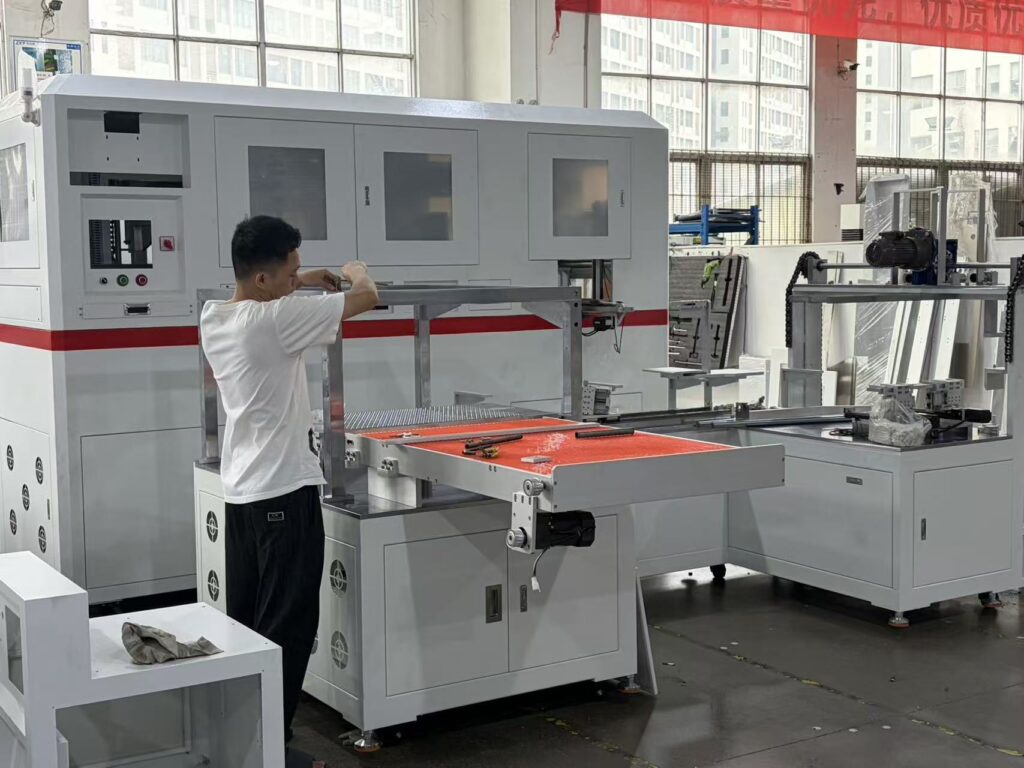
Standardized maintenance process for industrial grade card punching machine (preventive maintenance)
Proper maintenance of the system can greatly reduce the rate of equipment failure. Recommended factory operation & maintenance check list:
Daily check list for maintenance per shift
- Cleaning: Remove paper scrap, waste edges and dust from inside the equipment and around the mould.
- Air source check: Check the pointer of pressure gauge, whether it is stable at 0.5-0.7MPa. Pour out the water accumulated in the air path filter.
- Photoelectric sensor: The sensitivity of the lens of the sensor should be clean.
- Tool status: First piece check of edge quality of finished punched product, for burrs or deformations.
Key Points for Deep Maintenance – Weekly and Monthly
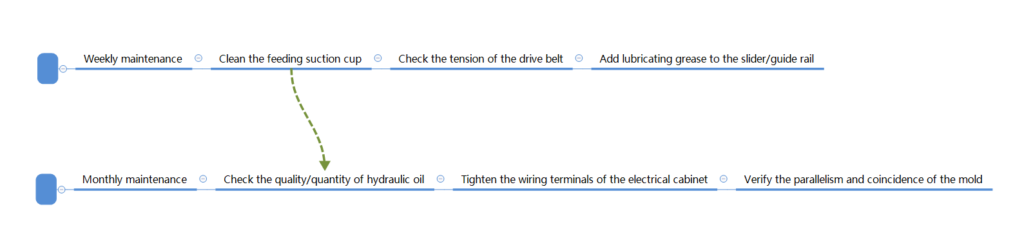
1. Transmission system: Check the ball screw and linear guide for wear, replace old lubricating grease and add new oil.
2. Electrical and safety system Check the sensitivity of emergency stop switch, safety light curtain and protective threshold switch; Tighten the terminal screws in the electrical cabinet which are easy to loosen due to vibration.
3. Calibration of mold depth: Use feeler gauge or dial gauge to measure the parallelism of punch and bottom mold to ensure that the force is evenly distributed when punching porous or complex shapes.
Maintenance and Safety Operating Procedures: Common Misconceptions
4 operational myths to steer clear of
1. Incorrect use of general lubricating oil: It is easy to use ordinary engine oil indiscriminately on precision guide rails or pneumatic components, so that dust is easy to attach and oil sludge is easy to form, which aggravates mechanical wear. The equipment manual specifies the special lubricating grease to be used;
2. Not to forget air pressure filtration. Water in the air source into the cylinder and solenoid valve can cause cylinder rust and solenoid valve jamming.
3. Overuse of passivated tools Once the tool is passivated, it should not be punched any more, otherwise a large amount of waste will be generated and the stamping mechanism will be overloaded, which will reduce the life of the crankshaft and bearings.
4. Cleaning with electricity and pressure When cleaning the stuck materials or adjusting the molds, if the main power supply is not disconnected or the residual air/hydraulic pressure is not released from the system, safety accidents are prone to occur.
Security Operation & Maintenance Alert
Note: Card punching machine is high risk stamping equipment. Before starting maintenance, tool adjustment and stuck material removal operations, the LOTO (Lockout/Tagout) safety procedure must be strictly followed, the main power supply must be cut off and residual pressure in the air circuit and hydraulic system must be released. Nonprofessionals are not allowed to disassemble the high-pressure oil circuit and electric control cabinet by themselves.
For complex electrical faults that cannot be diagnosed or need to be replaced by the original factory of high-precision mold components, please contact the original parts and after-sales technical support service. Let the certified engineers do it professionally.
Related Guides/Read More
Recommendations for selection and life extension of punching and cutting tools. Detailed study of the performance of hard alloy and high-speed steel tools with various card materials.
Smart Card and Game Card Punching Accuracy Standards & Testing Methods – How to Understand Punching Tolerances and Industrial Quality Inspection Processes under ISO Standards.
How to improve the overall equipment effectiveness (OEE) of automatic card punching lines? From the layout of the production line to maintenance strategies to improve the efficiency of production capacity.
FAQ
Q1: There are a lot of burrs in the cutting process of the card punching machine. Aside from wear and tear, what are the other reasons?”
A: The most frequent breakdown apart from wear of the blades is the non-alignment of the opening of the upper and lower dies, or insufficient pressure on the pressing plate. Edge burrs are created when the material is punched, but is slightly out of position or stretched. In addition, abnormal moisture content or severe static electricity in the material may indirectly affect the quality of the incision.
Q2: If the feeding position of the pneumatic punching machine has a random error of 1-2 mm frequently?
A: Suggest to use the “three-step investigation method”: 1. Check if the photoelectric sensor or CCD lens is dirty by dust; 2. Check if the feeding servo belt or synchronous belt is loose. Lastly, check the material itself for any type of edge deformation or unclear printing of mark points.
Q3. How often do you change or sharpen the cutting tool on an industrial punching machine?
A: Depends on the hardness of the material and punching frequency. The punching life of good quality hard alloy cutting tools in punching standard paper playing cards is normally 1-3 million punches. In case of metal chips or high-hardness PVC smart cards in the punching, the grinding cycle will be shortened. It is recommended to record the number of tool stamping cycles and to do the preventive grinding regularly.
Q4: During operation the device alarms and suddenly shuts down with the message “spindle overload”. Why.
A. Usually it is caused by too great mechanical resistance which over-loads the spindle. Check if any waste is stuck to the inside of the mold. Check if the mechanical lubrication is dry or if the pressure setting of the hydraulic/pneumatic system is above the rated load. Before resetting, remove foreign materials and add lubricant.
Conclusion and suggestion about operation and maintenance
The stable operation of the card punching machine is based on “standard operation + regular maintenance”. A good daily inspection system and tool record card will prevent over 80% of the sudden failures from ever occurring in the first place.
In case you are going to expand the production line or due to frequent failures your existing equipment has a huge impact on production lead times then you should upgrade to a more stable, high-precision automatic card punching machine to improve production efficiency by automation and intelligence.