What kind of punching pressure is required for high-transparency PVC cards?
blog 2026-03-06 19:58:41 68
The punching pressure set during the production process is the most important factor affecting the quality of high transparency PVC cards. This material is highly sensitive to pressure changes because it is very transparent and has its own physical properties. If the pressure is too low, the card may not be completely separated, which may leave points or burrs. Excessive pressure can cause white edges, stress marks, and even damage to the mold. This article will explore the scientific methods for measuring stamping pressure from three perspectives: the mechanical properties of materials, the power configuration of equipment, and the control of production processes. It will provide technical assistance to Indian card printing companies to help them use PVC card printing machines according to their actual manufacturing methods.
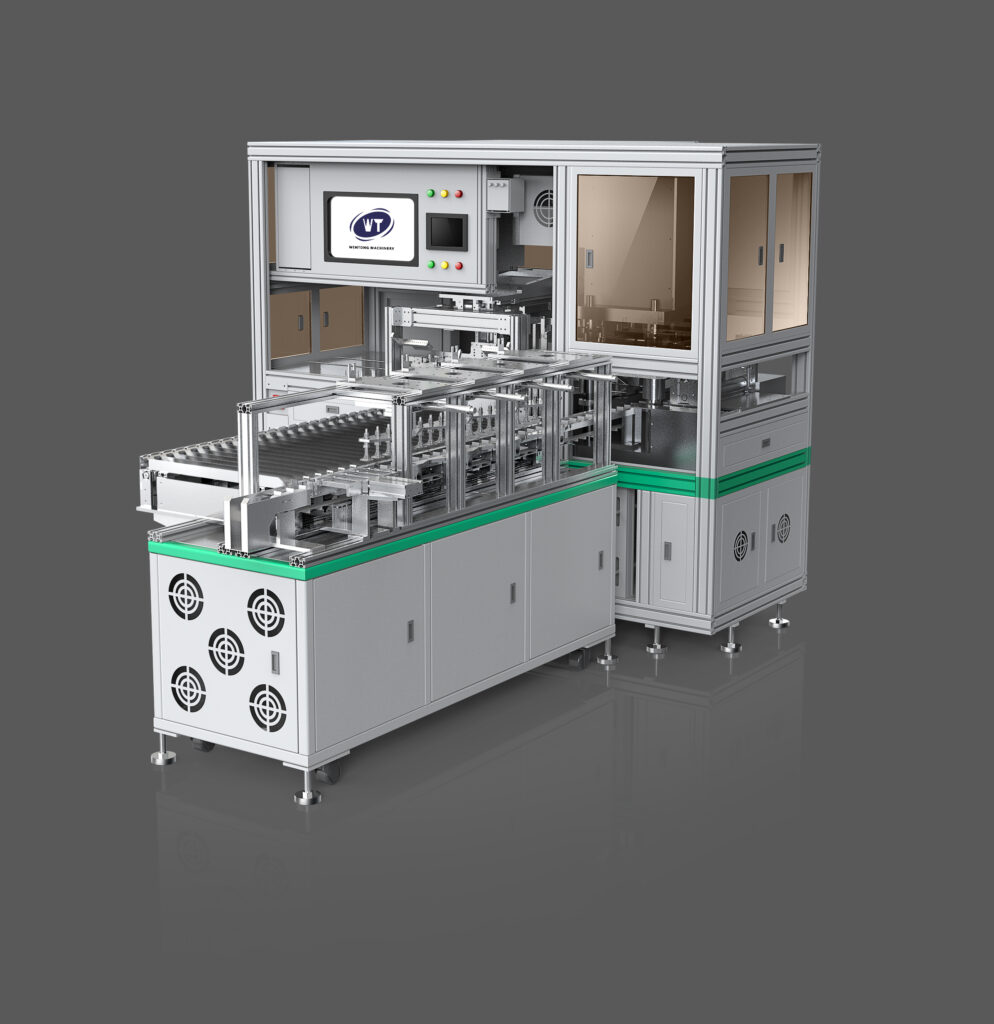
1. Theoretical basis for material properties and pressure calculation
Thermoplastic materials include highly transparent polyvinyl chloride (PVC) sheets. They usually allow over 85% of the light to enter. However, if you add an appropriate amount of plasticizer to the material, it will bend. Due to the collaborative work of these components, stamping requires sufficient cutting force to break the molecular chains but not too much to prevent the material from overheating and changing shape. The shear strength of transparent PVC is usually 40 to 60 MPa, but this may vary depending on its thickness and plasticizer content. If the material thickness is 0.5 mm, shearing a plane along a circumference of 279 mm requires approximately 5.6-8.4 kN (about 570-860 kg of force). The size of the CR80 card is 85.6 mm by 54 mm. The stress reserve should be at least 1.3 tons, which is 1.5 times or more the theoretical value. This is due to mold wear, material hardness tolerances, and safety factors.
Please remember that transparent PVC is more sensitive to heat. When you press something, the mold and material rub against each other, generating heat. If heat accumulates too quickly, some parts of the material may become soft. This can make cutting easier, but it can also result in uneven cutting. The best PVC card punching machine should be able to quickly stabilize pressure, shorten the contact time between the mold and the material, and reduce the impact of heat. The servo-driven stamping system is very useful in this situation. For example, if you carefully control the speed of the punch, you can complete stamping within 0.2 seconds, which reduces the possibility of thermal deformation. In addition, the equipment should be equipped with pressure sensors to update the real-time output values of each stamping process. If the pressure is above or below the set range, it will automatically change to maintain stability during large-scale production processes.
Indian customers often use different brands and batches of PVC, and their plasticizer content may vary by 5% to 10%. This may have a significant impact on the pressure that needs to be applied. Therefore, the equipment needs to be able to handle various pressures, typically requiring a nominal pressure range of 1 to 5 tons and an accuracy of 0.1 tons. The operating interface should also have a built-in material database. Users only need to input the type and thickness of the material. Then, the system will automatically find the best pressure setting from the past to help debugging personnel reduce errors.
2.How does the main technology of the PVC card punching machine ensure that the pressure is always correct?
Modern PVC card punching machines can meet the strict requirements of high transparency PVC, as they use many different technologies for precise control. Firstly, you should know that the power system is driven by a 7.5 kW servo motor. Compared with traditional hydraulic or pneumatic methods, servo motors have the advantages of being able to change torque and respond quickly. It can automatically change the output torque based on the hardness of the material during stamping. This keeps the pressure curve smooth. Actual test data shows that after 8 hours of continuous use, the pressure change in the servo system is less than 1%. This is much better than the hydraulic system, which has changed by 3% to 5%. This stability is very important for transparent PVC, as changes in pressure directly affect the cutting effect.
The next step is to repair and place the visual effects of the layout system. More traditional photoelectric sensors encounter problems on very transparent materials because light can pass through them, causing errors in cursor reading. The visual correction system uses industrial cameras to take photos of printed patterns or positioning marks. Then, it uses image algorithms to calculate how far the position is and drives the servo feed mechanism to fix it. This system can control the accuracy of the feed position within ± 0.10 mm, which means that the mold and material are always in contact at the optimal stress point. If the materials are arranged improperly, the cutting force will not be evenly distributed. This will apply too much force on one side of the mold and not enough force on the other side. Visual correction has largely eliminated this hidden danger.
The third technique allows you to feed accurately step by step. When you use traditional continuous feeding methods for stamping and cutting, the material will move, which can easily cause it to stretch and change its actual thickness. Before stamping, the material must be set in a precise static position with a repeat positioning accuracy of ± 0.05 mm. At this point, all stamping energy is used to cut the material, rather than breaking its inertia. This means that the height of the pressure curve remains constant for each stamping. Because seamless molds are manufactured in this way, the equipment does not need to leave nail holes or connection points on the mold. This eliminates the protrusions left by other methods at the edge of the card. This is particularly important for anime and celebrity cards that are visually appealing and easy to read.
The mold design of the equipment is made of lightweight wood, which also makes it easier to replace the mold. This can be completed within 2-3 minutes. This feature allows you to switch orders within 15 minutes, including resetting pressure settings. This is very helpful for the Indian market, as small batch orders and many different types of products are common. This process largely relies on the device’s built-in pressure self-learning function. When the operator puts in a small piece of material, the system will automatically start stamping from low pressure until the lowest pressure value for cutting the material is found. Then, it will retain this data for the next batch.
3. Assist the entire production process by providing quality data and process optimization.
From material preparation to finished product, there is stamping pressure at every stage. Firstly, the material needs to be pretreated: when you store or move transparent PVC sheets, they absorb moisture or generate static electricity, which can make the feed less stable. To ensure the smooth entry of materials into the die-cutting station, it is best to remove moisture and static electricity before stamping. After turning on the machine, use the visual correction system to check the printing alignment. Afterwards, select the appropriate pressure preset value on the equipment control panel based on the thickness of the material. For example, transparent PVC with a thickness of 0.3 mm typically requires a pressure of 1.0 to 1.2 tons, while PVC with a thickness of 0.5 mm requires 1.5 to 1.8 tons, and PVC with a thickness of 0.8 mm requires 2.5 to 2.8 tons.
There are two ways to collect finished products: sequential collection and classified collection. When you collect by type, you will make many cards of the same type, which are neatly stacked on the conveyor belt. When making multi-panel products, cards with different patterns will be placed in different receiving boxes for easier packaging in the future. If the collection system works properly, there will be no burrs or sticky spots on the edges of the card. This can immediately test the accuracy of stamping pressure. If the pressure is not high enough, burrs will hook and cause uneven stacking. If the pressure is too high, the card may bend and cannot be smoothly inserted into the slot. In actual production, operators need to change the pressure according to the collection method, usually when the cards are neat and undamaged.
The PVC card punching machine can be used in conjunction with the back-end stacker and packaging machine to form a complete automated production system. At this point, it is important to maintain the stamping pressure unchanged, as changes in pressure can slightly alter the size of the card, which can affect the effectiveness of automatic packaging on the pallet. For example, an Indian printing company reduced the amount of waste generated during the production of transparent PVC cards from 3.5% to 0.8% by adding servo-driven die-cutting machines. More than 60% of it is due to pressure control systems. After continuously producing 100000 cards, the device can still maintain a finished dimensional tolerance of ± 0.02 mm. The cutting is also smooth enough to meet the quality standards of high-end gaming cards and bank cards.

Conclusion
The stamping pressure setting should depend on the thickness of the high transparency PVC card. You should measure this based on the working principle of the device. If your PVC card punching machine has a 7.5 kW servo drive, the optimal pressure for 0.3 mm thickness is 1.0-1.2 tons, 0.5 mm thickness is 1.5-1.8 tons, and 0.8 mm thickness is 2.5-2.8 tons. The Indian market needs this machine because it can produce small batches of high-quality transparent PVC cards in various products. It can switch orders within 15 minutes and replace molds within 2 to 3 minutes, with a visual positioning accuracy of ± 0.10 mm. Actual production inspections have shown that through the above process control and pressure settings, the output can exceed 99.5%. The edges of the card also have no burrs or whitening, as stated by international standards. This technological path not only improves production efficiency but also provides a strong guarantee for printing companies to enter the high-end card market.