For a 0.76 mm thick PVC card, should you use a manual or automatic card punching machine?
blog 2026-03-04 23:41:41 22
A PVC card punching machine is the most important equipment for card making and printing, as it affects the quality and production speed of finished products. With the significant increase in demand for game cards, anime cards, star cards, and other smart cards, especially in the Indian market, small and medium-sized printing factories and business card printing workshops have to make the difficult choice of whether to upgrade their equipment. When the materials processed by the company are mostly 0.76 mm thick PVC sheets that comply with ISO standards, the company often cannot choose between “manual punching machines” and “pneumatic/servo-powered automatic punching machines”. This article will focus on the main technical differences between the two and explain how modern PVC punching machines utilise new technology to produce small batch cards in a “short, flat, and fast” manner. This will help your business make the best choices.
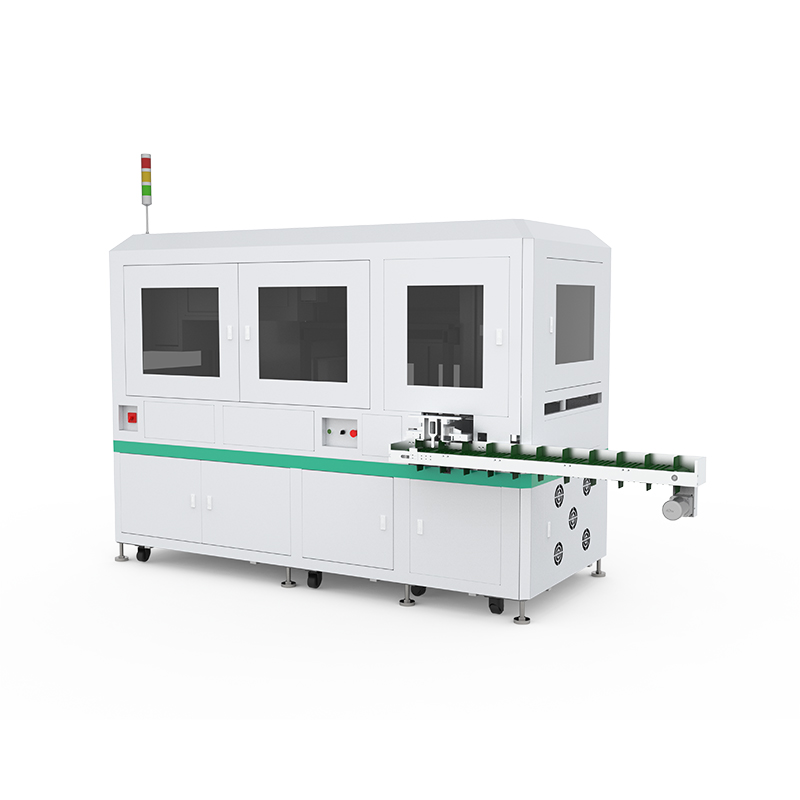
Technical limitations and usage of manual clock-in machines
The manual PVC card punching machine is a simple cutting tool operated manually with a lever. Its main advantages are that it is cheap and easy to move. The weight of the machine is usually between 5 and 8 kilograms, and the spacing between the mould steel and the blade can be set between 0.008 and 0.015 millimetres. It can produce single or small batch cards at low frequencies and with a cutting life of less than 100000 times. This type of device is very popular in remote areas of India, such as fast printing shops or newly opened small businesses, because the initial purchase cost is not high. It can cut PVC cards with a thickness of 0.76 mm, and the edges of the cutting cards are smooth and free of burrs. This meets the most basic requirement for making cards.
However, due to the physical limitations of manual tools, they cannot be used for industrial production. Firstly, the instability caused by manpower makes it impossible to process the layout of the board. For each stamping and cutting, you must manually feed and position the material. This is not only slow but also difficult to ensure that all products in a batch are the same. Secondly, manual equipment lacks precise feeding systems or methods to eliminate waste, which significantly increases labour and time costs for game card orders that typically involve thousands of cards. With the increasing demand for precision in the Indian market, manual PVC card-making machines are gradually being phased out as tools for sampling or small-scale production.
Technological progress and core advantages of automatic punching machines
Modern automatic PVC card punching machines have made significant progress because they are only a substitute for electricity. It is a precise system that combines mechanical, optical, and electrical control. When cutting 0.76 mm thick PVC material, automated equipment typically uses a 7.5 kW high-power servo motor as the cutting power source. Servo motors are much better than traditional pneumatic or hydraulic equipment because they respond quickly, are very precise, and consume very little energy. The servo press can change the cutting speed and bottom dead centre position in real time according to the characteristics of the material. This ensures that every card detached from the large-format printing plate has a smooth cross-section and no burrs at all.
In the Indian market, orders are clearly “dispersed” and “personalised”, so PVC card punching machines need to be able to handle various situations. Advanced die-cutting machines use lightweight wooden moulds instead of heavy-duty cutting plates, which is different from traditional large stamping machines. Replacing the mould only takes 2 to 3 minutes. This means that people using these machines can quickly switch from making playing cards to making small boxes or soft magnetic tiles. When used in conjunction with a step-by-step feeding system, this equipment can cut moulds without compromising the overall integrity of the material. This is very important for producing high-end anime collectible cards and celebrity cards, as these products have strict standards for the edges of the cards and the appearance of the finished product.
Visual correction and incremental feed: two methods to ensure accuracy
The alignment accuracy between the printed pattern and the punching edge is an important method to determine the working effect of the PVC card punching machine on 0.76 mm thick printed products. Traditional mechanical positioning methods are limited by the precision of material edges during cutting, which often results in the perforation card pattern deviating from the centre. Modern machines have added layout visual correction and positioning systems, which use high-resolution CCD cameras to capture real-time positioning marks on printing plates. Even if the material deviates slightly during the feeding process, the control system can quickly move the UVW platform for micrometre-level coordinate correction. This ensures that each punch is perfectly locked onto the printed pattern with a positioning accuracy of approximately ± 0.1 mm.
Another important part of achieving “short, flat, and fast” production is the step-by-step precise feeding technology. You don’t need to purchase large moulds all at once for small batch orders. The step-by-step feeding system moves the material forward by the set step distance each time. The servo motor ensures that the ball screw moves smoothly and accurately. This design is most suitable for the most common mixed layout and multi-variety orders in the Indian market. Operators can place cards of different designs on the same printing plate, and the machine automatically recognises and completes die-cutting while punching holes, greatly increasing the flexibility of material use and production.
Finished product collection system for automated PVC punching machine
The automation of the PVC card punching machine is not only reflected in the punching process but also in the processing of finished products. An efficient collection system can reduce the manual sorting cost of small batch orders. Currently, most devices have two mature collection methods. The first method is sequential collection, where cards are neatly stacked in the order of punching so that they can be manually packaged or inspected for quality in the future. The second type is category collection, where the device automatically assigns different types of cards (such as cards from different game characters) to different collection boxes based on the layout. Manufacturers of hybrid laminates can utilise this feature to save a significant amount of sorting work.
In addition, advanced PVC card punching machines are perfectly matched with back-end packaging equipment. This device can be connected to automatic counting machines and packaging machines through standardised conveyor interfaces. This forms a complete solution from rolls or sheets to finished packaging boxes. With the increasing labour costs in India year by year, this equipment that can reduce the demand for manual work and achieve automated circulation is undoubtedly a better investment for printing companies.
Material adaptability and machine adjustment efficiency: meeting various needs
In India, the term ‘card’ encompasses a wide range of things, including standard 0.76 mm PVC gaming cards and bank cards, as well as paper business cards, playing cards, and soft magnetic sheets used for access control. A good PVC card punching machine should be able to handle many different types of materials. This demonstrates all the advantages of servo power systems. By changing the punching settings, the machine can easily cut fragile PVC films, perfectly process fibre paper, and even ensure smooth cutting of soft magnetic composite materials with a thickness less than 1.0 mm.
Another important piece of information to determine whether a device is suitable for “small batch” positioning is the speed of order switching. When you change the order for traditional equipment, you may need to replace the entire mould and reset the feeding path, which may take several hours. The new stepper die-cutting machine and the quick replacement mould frame design have shortened the machine replacement time to less than 15 minutes. The operator only needs to call the stored production formula, replace the correct wooden mould, and fine-tune the visual positioning settings. Then, the equipment can start a new round of production. Printing factories can handle urgent card orders for Indian anime festivals or political elections because they can respond quickly.
Conclusion
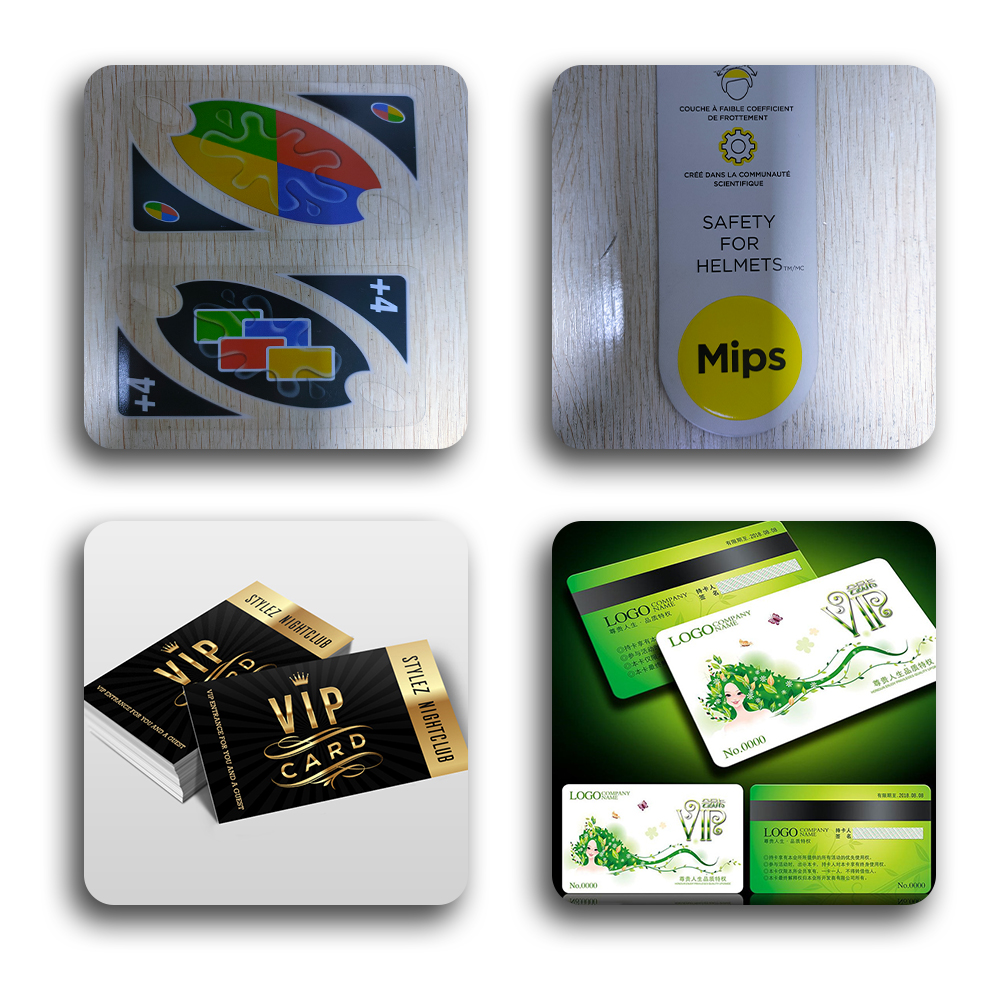
In short, when it comes to making PVC cards with a standard thickness of 0.76 mm, manual punching machines are very cheap (usually only a few hundred yuan), but they can only produce less than 10 sheets per minute, making it difficult to ensure correct layout. They can only be used in very small workshops that produce less than 500 sheets of paper per day. The automatic PVC card punching machine equipped with a 7.5 kW servo system is obviously a better choice for legitimate Indian printing companies that hope to develop and improve quality. This device not only allows you to quickly (within 15 minutes) change orders and quickly (within 2 to 3 minutes) mould but also ensures high-quality edges of finished cards by using visual correction and ± 0.1 mm positioning accuracy. When used in conjunction with automatic classification and collection functions, it can reduce the cost of processed sorting by over 70%.
So, the answer is clear: if your business wants to focus on the future, targeting the mid- to high-end market of gaming cards, bank cards, smart cards, and other customised cards, and if you want to make money on “short, flat, and fast” small batch orders, then a fully automatic PVC punching machine with visual positioning, step-by-step feeding, and automatic collection technology will be the main tool you need to improve competitiveness and enter new global markets. A manufacturing company in Shenzhen, China, is providing this affordable business card printing solution to customers around the world through continuous technological advancements.