What technology is required for a PVC card punching machine to punch thick cards?
blog 2026-02-26 23:50:26 15
The demand for high-end gaming cards, PVC cards that will not wear out, and thick layered identity documents in India is increasing day by day. The accuracy and stability of the punching process directly affect the yield in the production of smart cards and game cards. In order to reduce costs, printing companies need to be able to quickly switch from thin cards (0.3 mm) to thick cards (1.0 mm or thicker) on the same machine. The new high-performance PVC card punching machine is setting a new standard for fast and efficient production of small batches and various cards. They have advanced power systems and precise adjustment methods. This article will explore the key points of thick card punching from a technical perspective. This will help printing companies better accomplish this important task.
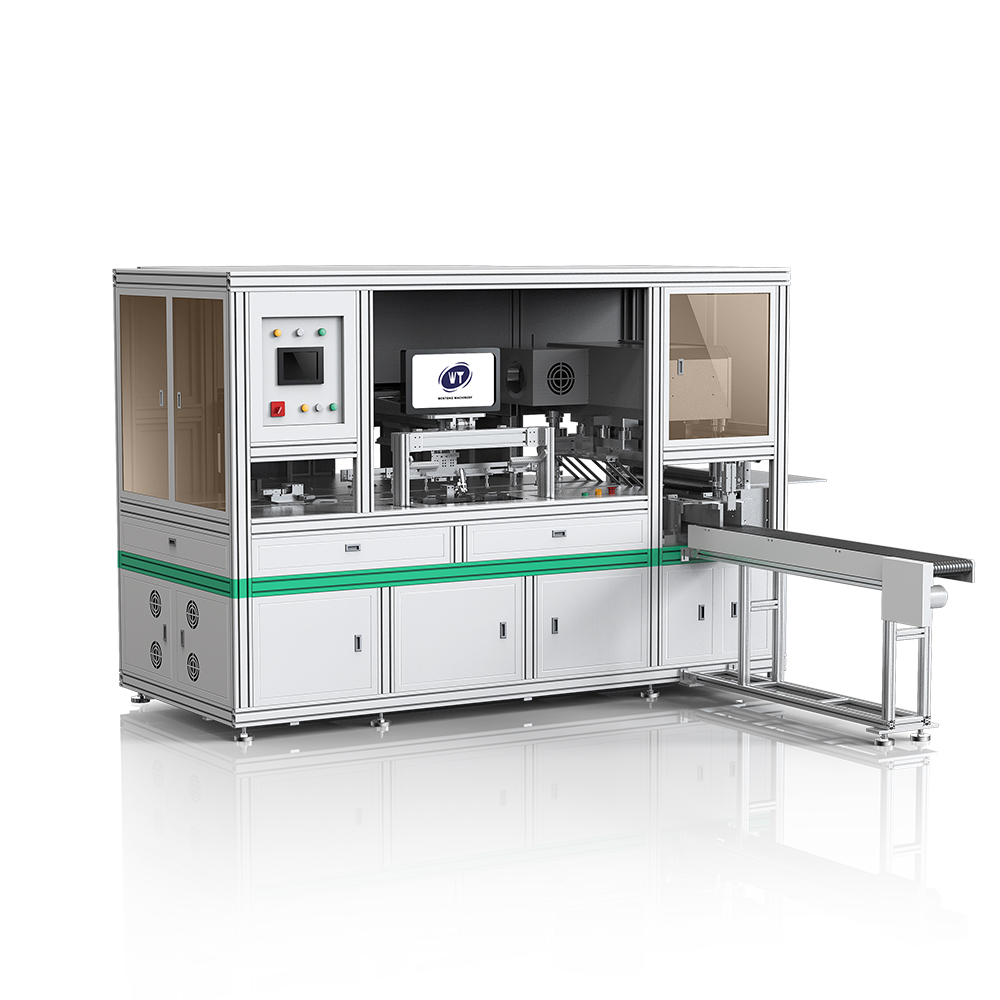
Requirements for stamping and cutting thick PVC cards
When stamping hard or wear-resistant PVC materials with a thickness exceeding 0.8 mm, increasing explosive force is required. If an ordinary punching machine encounters a thick card and does not have enough power, it may get stuck or even break the mold. Most professional PVC punching machines are equipped with high-power servo drives to solve this problem. This model uses a 7.5 kW servo motor as the power source, which can perform stamping with stable and adjustable force. This ensures that the cutting mold can directly pass through the tight molecular structure, and the stamping accuracy can be between ± 0.05 mm and ± 0.10 mm. For the production of high-end game cards and anime cards, this precision is very important because these products have strict standards for edge quality and size consistency.
In addition, stamping thick cards can put a lot of pressure on the hardness of the tool. If the rack is slightly bent, the pressure will be dispersed and burrs will form on the edges. This device needs to provide sufficient adjustable punching pressure reserve for common PVC mixed materials in the Indian market, such as PVC and ABS composite materials. The main body also needs to be made of integral casting or a thick plate frame structure, which can absorb the reaction force during stamping and maintain the stability of the machine over time. A sturdy and powerful PVC card punching machine is the only way to cut cleanly and quickly without damaging the internal structure of the material. This ensures that every store card or bank card has professional quality.
Newer models also have a segmented pressure control function, making it easier to cut thick cards. The punch press first contacts the surface of the material with low pressure so as not to damage it due to excessive force. When the cutting tool cuts into the material, the system will automatically increase its power output to the maximum to quickly complete the work. This intelligent pressure control not only ensures the safety of the mold but also extends the service life of the equipment. It is most suitable for stamping hard cards, such as PVC, PETG, and other materials that are not easily worn. This means that the printing industry can use the same PVC punching machine to make many different things, such as thin playing cards and thick gaming cards. This makes the equipment more useful and provides a better return on investment.
Design concept of thickness adjustment mechanism for PVC card punching machine
You need a precise mechanical adjustment system to obtain accurate thickness adjustment. Most of the time, you can use screws or an eccentric shaft pressure adjustment design to change the thickness of the PVC card punching machine. The operator moves the screw with a handwheel or servo motor. This will change the lowest position of the punch at the bottom dead center. This regulatory mechanism is like a device for controlling pressure. It changes the position of the screw and connecting rod relative to each other to precisely control the closing height of the mold, allowing it to handle plates of different thicknesses. This design is very useful for printing companies that need to frequently change product specifications. This makes production efficiency higher.
In high-end stepper feeding models, changing the thickness not only means changing the depth of the punch but also means changing the space between the feeding platform and the punch. The end of the machine has a pressure wheel and an adjustable cardboard plug. The screw moves up and down to ensure that the thick clamp does not bend during feeding, as the gap is too small and it will not be misplaced due to a large gap. This fine-tuned thickness adjustment, as well as gradually precise feeding technology, ensures that each feeding distance is precise and error-free. This is the reason for high-quality stamping in the future. These machines can perform precise feeding, automatic collection, and waste removal. This makes the entire production process fully automated, which means the necessity for people’s participation is greatly reduced.
It is important to remember that newer PVC card punching machines can replace molds and adjust the machine faster than older machines. Replacing the mold only takes 2 to 3 minutes because the mold is light and locks quickly. The thickness adjustment mechanism has a digital display, so switching from one thickness card to another only takes 15 minutes. This means that the device is widely used in India for small batch and multi-variety orders, with very low manufacturing costs. Printing companies can confidently handle various orders, from making hundreds of samples for testing to producing tens of thousands of sheets for mass production. They can make the conversion as soon as possible to meet the strict delivery time of the customer.
Stamping thick and hard cards without damaging the edges or layers
The most difficult problem with stamping thick cards is edge cracking and delamination. Excessive instantaneous shear force or incorrect cutting speed of the mold are usually the causes of these problems. Modern PVC card punching machines solve this problem by adopting a “slow cutting + high-speed penetration” strategy to change the punching speed. The device is equipped with a built-in PLC programmable controller, which can automatically change the stamping speed curve according to the thickness setting. When the mold first comes into contact with the material, it will slow down. When the blade cuts into the material, it accelerates to complete the cutting. This can prevent the internal fibers of PVC from tearing too easily. This intelligent control ensures that there are no burrs or rough edges on any card. This is very suitable for producing high-quality anime and star cards.
The device also has the advantage of being able to manufacture molds without the need for nail ports and connection points. When making thick cards in the old-fashioned way, you usually have to open the connection points so that garbage won’t stick to them, but this will make the edges less smooth. The new clock-in machine cuts all the way without leaving any connection points. This is possible because the mold fits perfectly and the bottom plate is flexible, making the edges of the game card smooth and free of burrs. The layout visual correction and positioning system can also real-time repair the printing cursor deviation that occurs during thick card bending and stress. This means that even if cutting cards that are 1.0 mm or thicker, the front and back patterns of the finished product will still be perfectly aligned. This completely solves the problem of edge cracking caused by incorrect positioning during cutting. It is very important to be able to place things very accurately when making double-sided printed smart cards and bank cards.
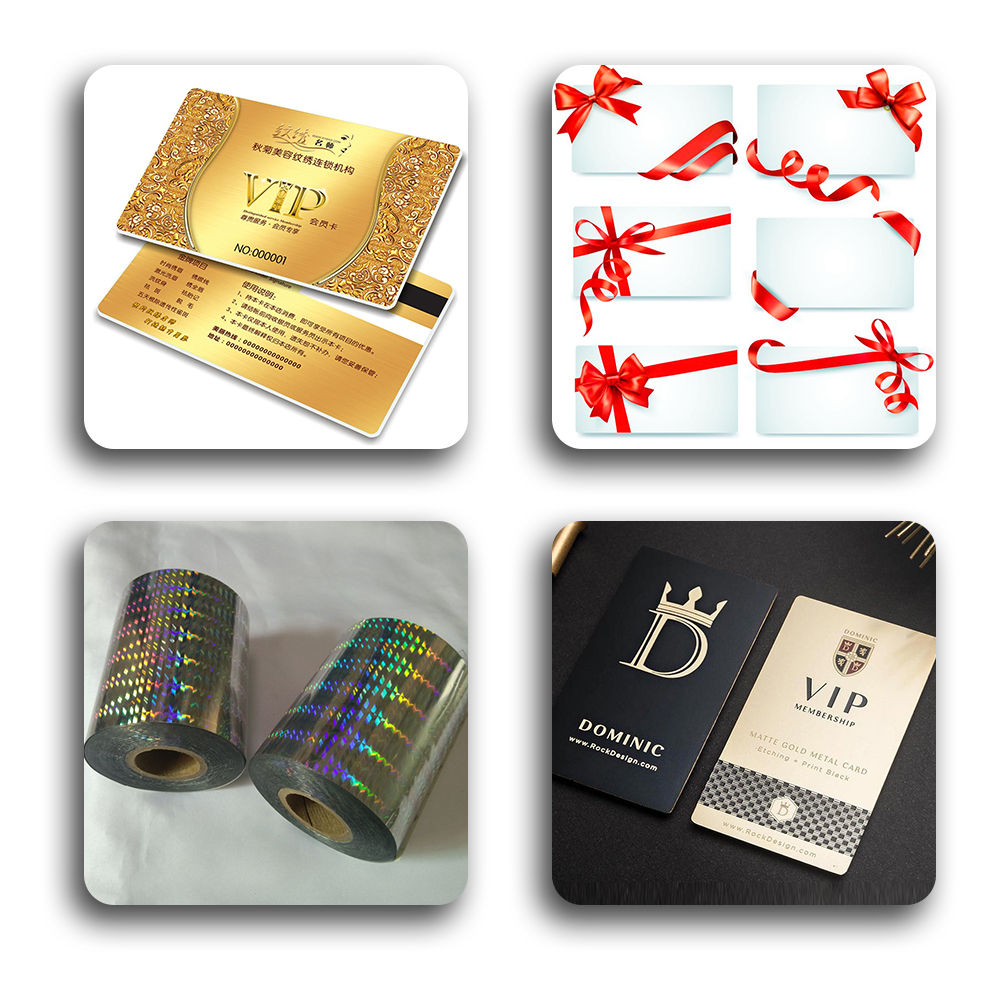
The device has also been improved to handle more types of materials. This makes thick cards play better. It is not only suitable for PVC film. It can also be used with paper, soft magnetic sheets, composite materials, etc. People often use it to make business cards, game cards, playing cards, anime cards, bank cards, celebrity cards, and other things. By changing the stamping speed and pressure, a perfect cross-section without burrs or delamination can be obtained regardless of the material. This device is also suitable for making non-card things, such as small boxes for packaging, which shows how useful and flexible it is as an investment. The edges of the card are good, and the finished product is placed in the correct position. This makes the next steps, such as packaging and lamination, smoother and overall production efficiency higher.
Conclusion
In short, business card makers who want to sell to India and other parts of the world should receive a highly advanced PVC card-making machine so that they can handle many different orders. Data shows that a 7.5 kW high-power servo system equipped with visual correction tools can increase the qualification rate of thick card stamping products to over 99.8%, and the time required to replace molds and adjust machines is less than 15 minutes. Its step-by-step feeding design not only solves the problem of positioning thick and hard cards but also makes the edges of products such as game cards and anime cards look better by using mold technology that does not require connection points. This device also allows you to organize finished products by order or category. This makes it easier to connect backend packaging solutions, meets the needs of automated production, and lays the foundation for enterprises to build intelligent and efficient production systems.
For manufacturers in Shenzhen looking globally, combining the characteristics of “short, flat, and fast” equipment with precise pressure regulation technology can not only meet the high demand for wear-resistant PVC cards in the Indian market but also quickly respond to small batch orders in the sampling market. If your enterprise can master the above-mentioned pressure and thickness adjustment technologies, it will have a core competitive advantage in the fields of smart cards and high-end printing and packaging. Modern PVC card punching machines can help printing companies stand out in a fiercely competitive market and achieve long-term growth, whether it is rapid mass production of cards in the high-end customization market or focusing on quality.